Words & word games
Where words come from, how dictionaries admit them, which usage rules matter, and letter games from anagrams to word ladders.
- Anagrams, palindromes and pangrams: a field guide to word play
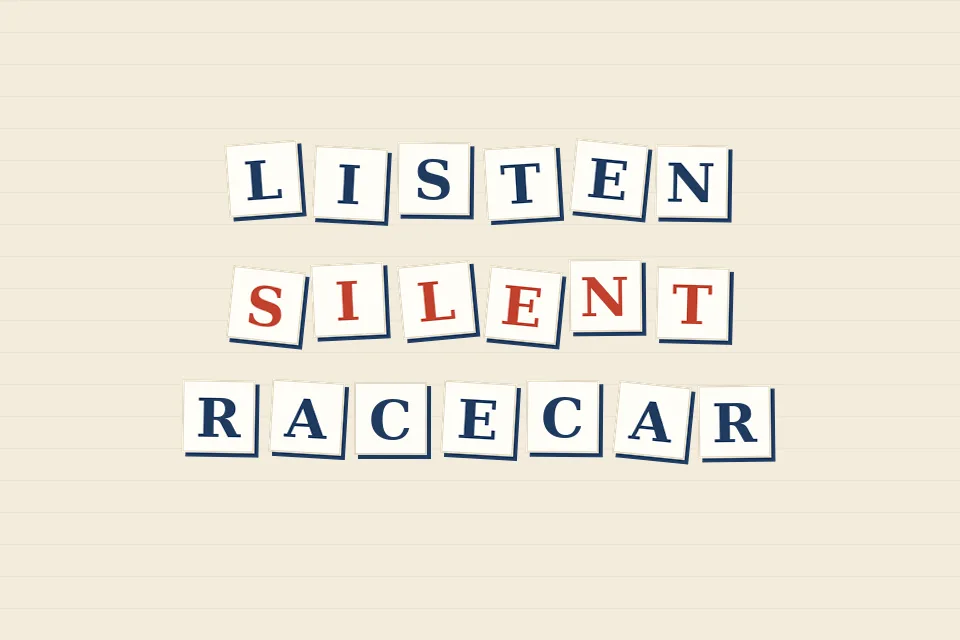
What anagrams, palindromes, pangrams, isograms, lipograms and word ladders are, where the classic examples come from, how to check them by hand or in a few lines of JavaScript, and how to play with them on letter tiles.
- Eggcorns, malapropisms and mondegreens: what's the difference?
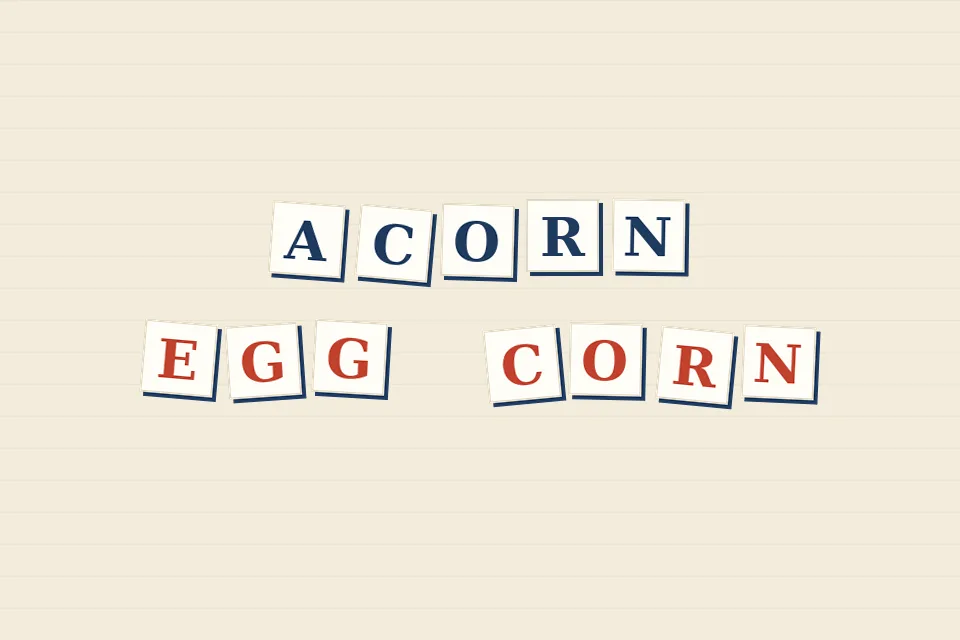
Free reign, for all intensive purposes, a nice derangement of epitaphs: how eggcorns, malapropisms, mondegreens and folk etymologies differ, where each name comes from, and how to catch them in your own writing.
- Fewer or less, who or whom: usage rules worth keeping, and myths to drop
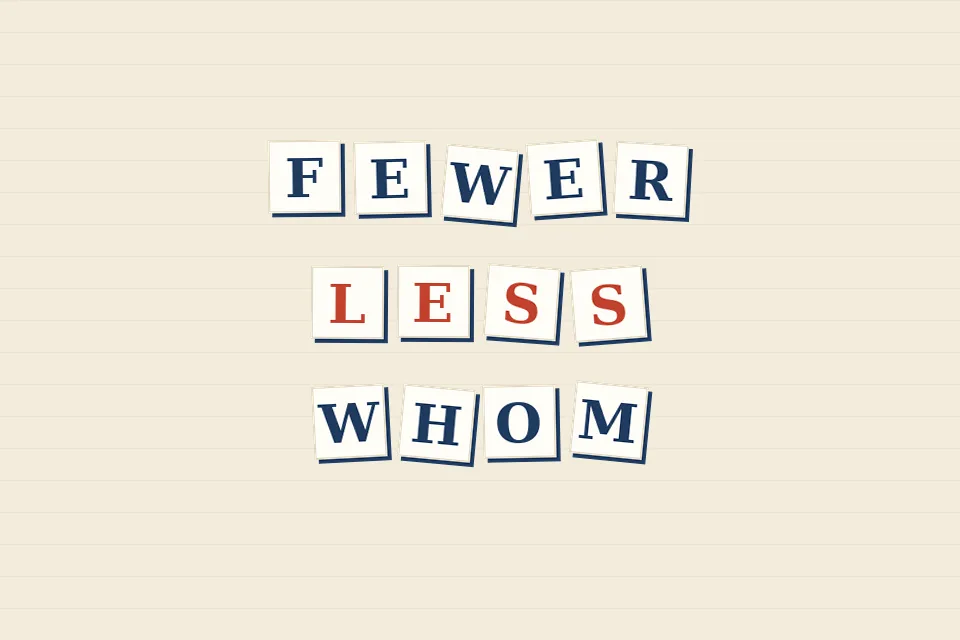
Which English usage rules help readers (fewer and less, who and whom, the serial comma) and which are myths you can safely ignore (split infinitives, final prepositions, singular they), with what major dictionaries actually say.
- How a word gets into the dictionary, and into a spell checker
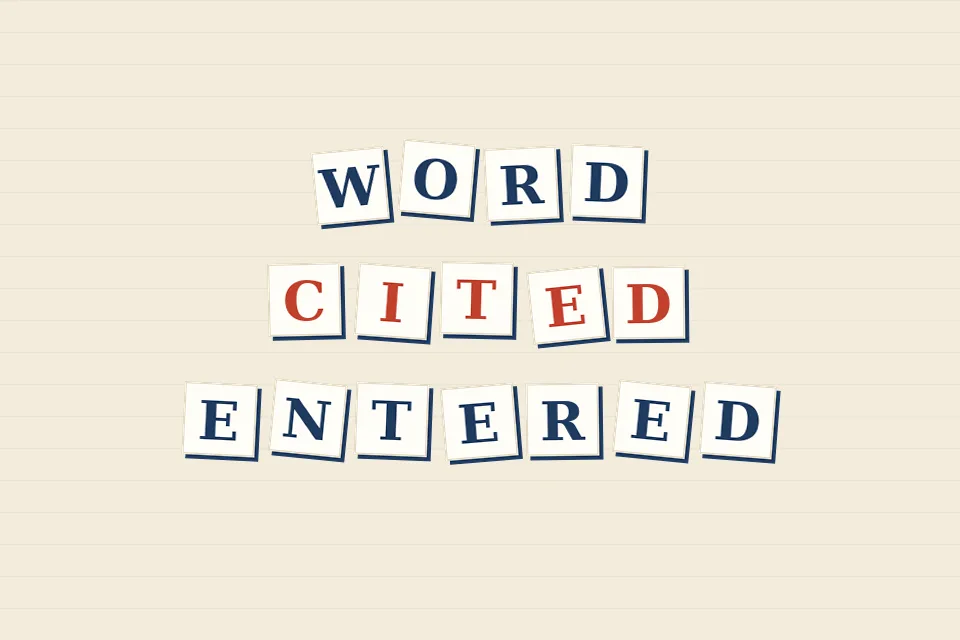
How Merriam-Webster and the Oxford English Dictionary decide that a new word has arrived, what citations are, the famous ghost word dord, and why a perfectly good new word can still be underlined by your spell checker.
- Portmanteau words: how brunch, smog and podcast were blended
What a portmanteau word (a blend) is, where Lewis Carroll got the name, the main ways English fuses two words into one, how blends differ from compounds, clippings and acronyms, and how to make your own that people will actually understand.
- Word ladders: Lewis Carroll's Doublets, how to solve them, and how a computer finds the shortest one
How Lewis Carroll's Doublets became the word ladder: his 1879 rules and scoring, why some ladders need more steps than letters, tactics for solving by hand, Carroll's puzzles solved against a real 72,000-word list, Knuth's 'aloof' words, and a breadth-first search in JavaScript.